Live It Up in Texas

The World Birding Center at Hugh Ramsey Nature Park, Harlingen, TX
The World Birding Center has nine unique locations in the Rio Grande Valley. Each site of the World Birding Center has its own attractions for both the first time visitor and expert birder.

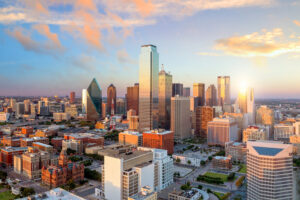
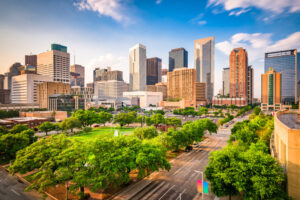
From natural wonders complementing world-class cultural destinations, to affordable family-friendly neighborhoods, to recreational opportunities for the most active or the quiet bird-watcher, Texas is one of the most livable places in the country.

Four Texas cities made the Top 25 list of CNNMoney's Best Places to Live, including the Dallas suburb of McKinney, which placed No. 5 on the list. With its 19th-century restored historic downtown, the community of 125,000 has a median family income of $107,046, has posted job growth of 125 percent in the past decade and enjoys favorable real estate prices - the average listing on 2010 was $267,661. A variety of businesses call McKinney home, including defense contractor Raytheon, which has a 3,700-person division there. Texas cities joining McKinney on the list were Allen and Rowlett, both in the Dallas-Fort Worth Metroplex, and Missouri City in the Houston area.

Accolades for Affordability

According to the ACCRA Cost of Living Index, Texas is one of the most affordable states in which to live and conduct business. The ACCRA index for most metro areas in Texas is lower than the national composite index of 100. The Lone Star State also has one of the lowest state and local tax burdens in the country, according to The Tax Foundation.

Two cities, Austin and San Antonio, were listed in the top 20 on Forbes' 2009 Best Places for Business and Careers list, and Livability.com named San Marcos in its top 10 retirement cities list.

Texas has six very distinct geographical regions to explore, and an array of natural attractions, from beaches to mountains, prairies and plains to piney woods. The state includes 600 miles of coastline, 13 national parks, 120 state parks and 18 wildlife refuges.

More than 624 miles of Texas coastline stretches along the Gulf of Mexico from the Louisiana border to the Mexican border near Brownsville. The Gulf Coast region boasts most of the sites of the Great Texas Coastal Birding Trail, the country’s No. 1 bird-watching destination.

Those who enjoy traveling down the nostalgia highway, need look no further than Route 66 in the northern part of the Panhandle. South of Amarillo lies one of Texas' largest and most scenically awe inspiring attractions, Palo Duro Canyon State Park.

Northeast Texas is dotted with thousands of acres of pine and hardwood forests, the nation’s largest municipal rose garden in Tyler, and further south, the Big Thicket National Preserve, with mammoth bald cypress trees and lush wetlands.

Big Bend Country

Outdoor enthusiasts love Big Bend National Park and Guadalupe Mountains National Park, home of the state’s highest point and one of the state’s most beautiful spots, McKittrick Canyon. State parks include Monahans Sandhills State Park and Balmorhea State Park, with one of the largest man-made pools in the U.S.

The Hill Country region, which reaches into parts of metro San Antonio and the state’s capital in Austin, is home to underground caverns such as the Inner Space and Natural Bridge, as well as wineries, dude ranches and historic structures of early Texas settlers.

History is abundant in the South Plains – who can forget the Alamo? – and includes vestiges of conquistador explorations, Franciscan missions and ample Spanish mission architecture in San Antonio and Mission Espiritu Santo in Goliad.

The Rio Grande Valley is one of the best birding and butterfly-watching spots in North America, and houses the World Birding Center within Bentsen-Rio Grande Valley State Park.
 

Comments

Post new comment

CAPTCHA
This question is for testing whether you are a human visitor and to prevent automated spam submissions.

Texas Sponsors

?>