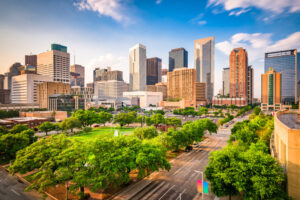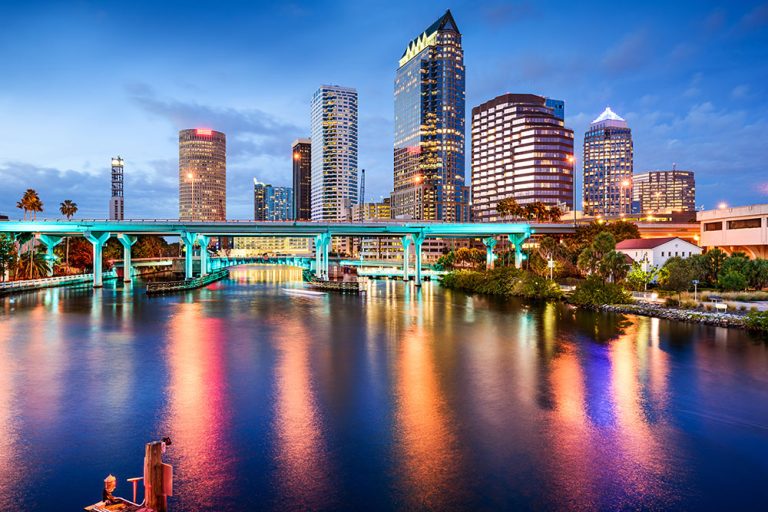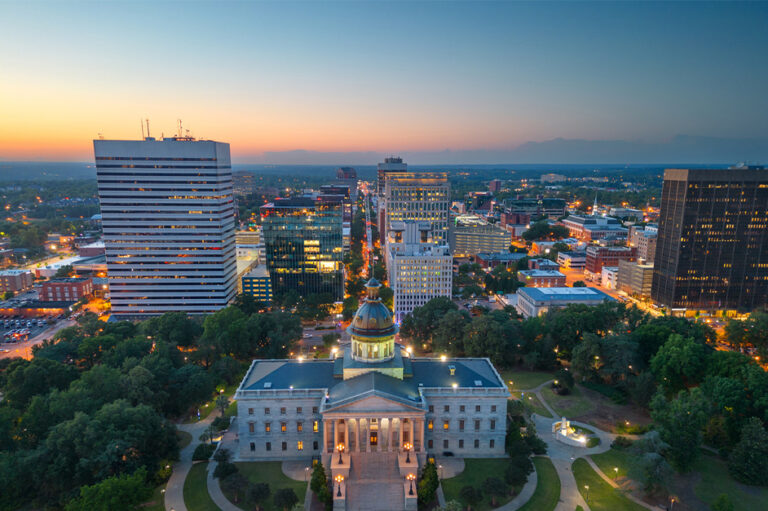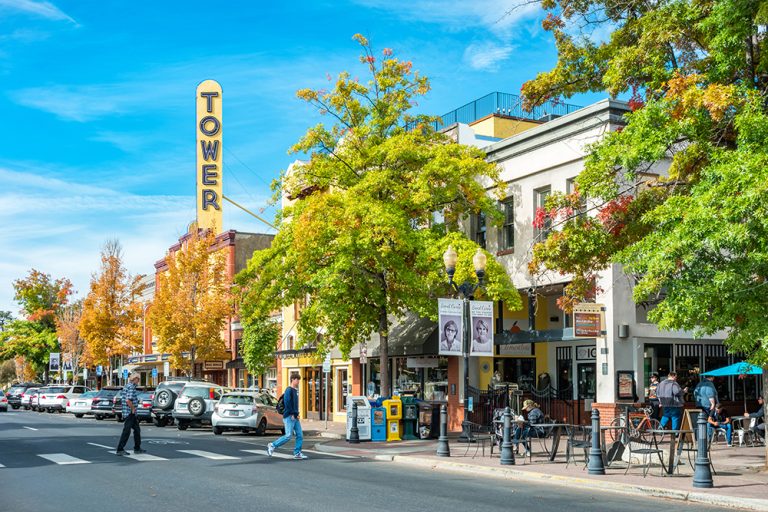

Forget red and blue states, the Rust Belt, the Sun Belt and other boundary buzzwords used to categorize and define regions across the country. As today’s economy evolves post-recession, it’s creating borders of its own — and these lines don’t necessarily fall into the traditional parameters of the past.
Want a glimpse of where prosperity lies on the economic horizon? Look at job growth, and a picture of four geographic corridors starts to materialize, notes economist Joel Kotkin in a recent post on NewGeography.com. They include:
•The Great Plains: Encompasses the Dakotas down to the West Texan plains and is attracting an influx of young, educated, diverse talent.
•The Intermountain West: Spans the Rocky Mountain foothills and mountainous areas between Colorado and California. Known for quality of life and natural resources and a hotbed for high-tech jobs.
•The Third Coast: Stretches from the Texas to the Florida coast of the Gulf of Mexico and is drawing young entrepreneurs and energy companies.
•The Southeastern Industrial Belt: Covers the Deep South to the Carolinas and a magnet for investment by foreign manufacturers, thanks to its skilled labor and business-friendly climates.
What sets these areas apart from the rest of the country? For starters, job growth, which happens to be nearly 10 times the rate of most of the U.S., reaching highs of 7 and 8 percent. Secondly, these corridors, which make up less than half of the nation’s land mass but just 30 percent of its population, are less dense, yet much more affordable than traditional business stalwarts.
And, unlike their Northeastern and Midwestern counterparts, many states in these regions have no personal income taxes or are working on lowering or eliminating them. It’s no wonder many of them dominated the top tier ranks on recent Best States for Business lists published in industry magazines like Chief Executive, Site Selection and others.
What’s Fueling Growth
Energy, manufacturing and agriculture are fueling growth in these areas. Regions rich in shale oil and natural gas, particularly along the Gulf Coast, are adding jobs by the thousands to meet the rising demand for fossil fuel-based energy. Foreign manufacturers from Korea, Japan and other countries are investing millions in states like South Carolina, Alabama and Tennessee, where they are finding lower-wage, high-skilled labor to offset their costs for auto, aerospace, steel and petrochemical production.
Technology is also a small, but emerging industry in these corridors, with Raleigh, Austin, Denver and Salt Lake City all evolving into high-tech hubs. Plus, a handful of cities in these areas are establishing themselves as leaders in biotech, health, logistics, and business and financial services. Charlotte, for example, holds the distinction of being one of the country’s largest financial centers, while Dallas is gaining a reputation for its corporate operations and global transportation.
What do you think of Kotkin’s assessment? Where are the high-growth regions you see, and which ones are best poised to succeed? Please share your thoughts below or view a detailed version of Kotkin’s report on America’s growth corridors here.


[...] Forget red and blue states, the Rust Belt, the Sun Belt and other boundary buzz words used to categorize and define regions across the country. [...]
[...] Forget red and blue states, The Rust Belt and the Sun Belt. Today's business-rich regions are growing outside of traditional boundaries. [...]
[...] See on Scoop.it – Florida Economic Development [...]
[...] Forget red and blue states, the Rust Belt, the Sun Belt and other boundary buzz words used to categorize and define regions across the country. [...]